Localized neuronal translation
Neurons depend on precise spatial and temporal control of protein synthesis. We study how this regulation supports neuronal function and how dysregulation may contribute to neurological disease.
Research
The Loerch Lab studies translational regulation: how cells direct ribosomes to make the right protein, in the right place, at the right time.
We investigate specialized ribosomal complexes and the regulatory factors that shape protein synthesis. A central goal is to connect ribosome structure, molecular mechanism, and cellular location.
The lab uses cryo-electron microscopy methods, including single-particle analysis for purified complexes and 2D template matching approaches that can detect and compare ribosomes directly in cellular images.
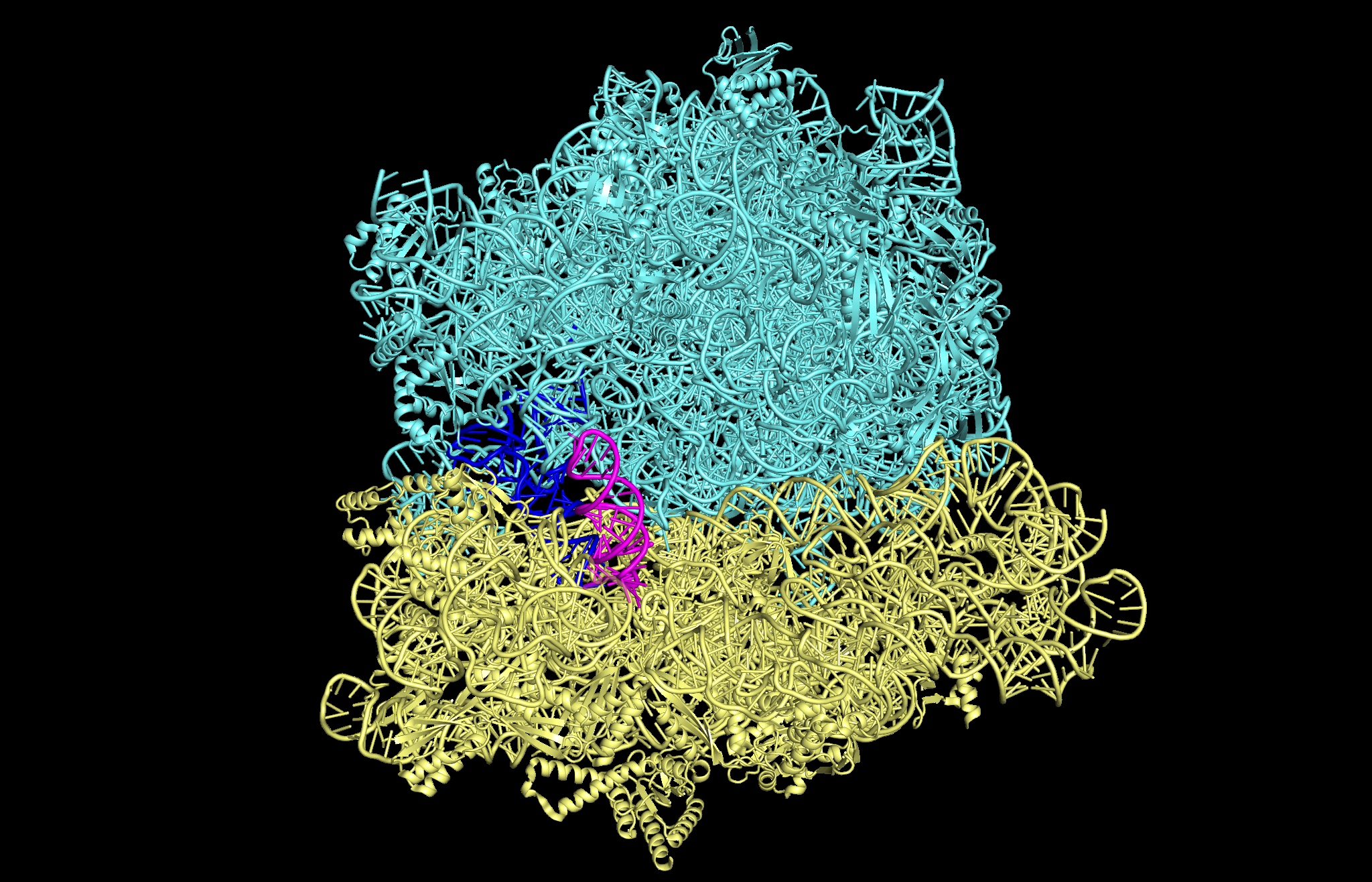
Neurons depend on precise spatial and temporal control of protein synthesis. We study how this regulation supports neuronal function and how dysregulation may contribute to neurological disease.
We examine how ribosomes enter, maintain, and exit specialized states, including translationally silent or paused states that may alter mRNA fate and protein output.
We combine high-resolution structural biology with in situ methods to understand how molecular complexes behave in their native cellular environment.
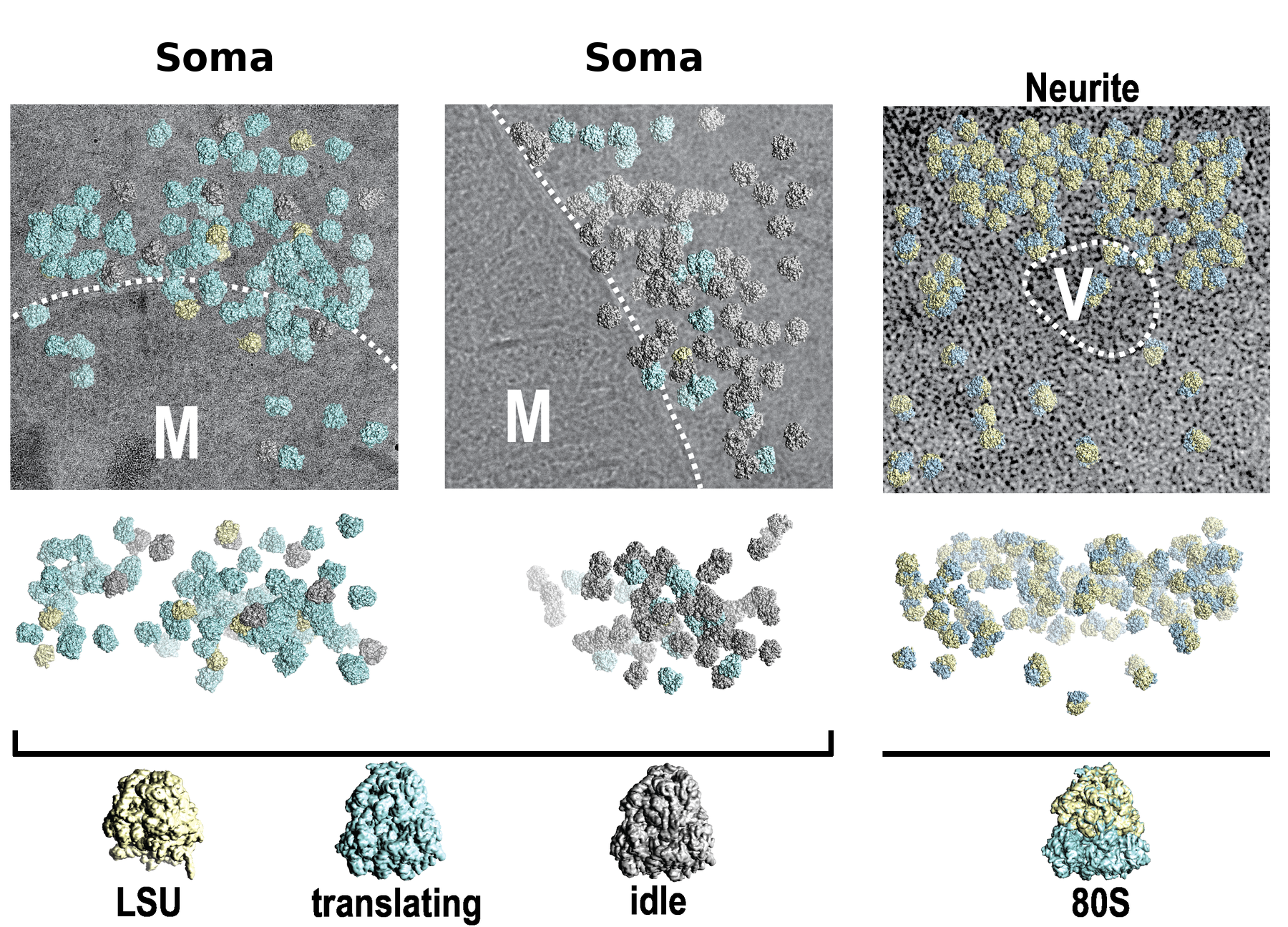
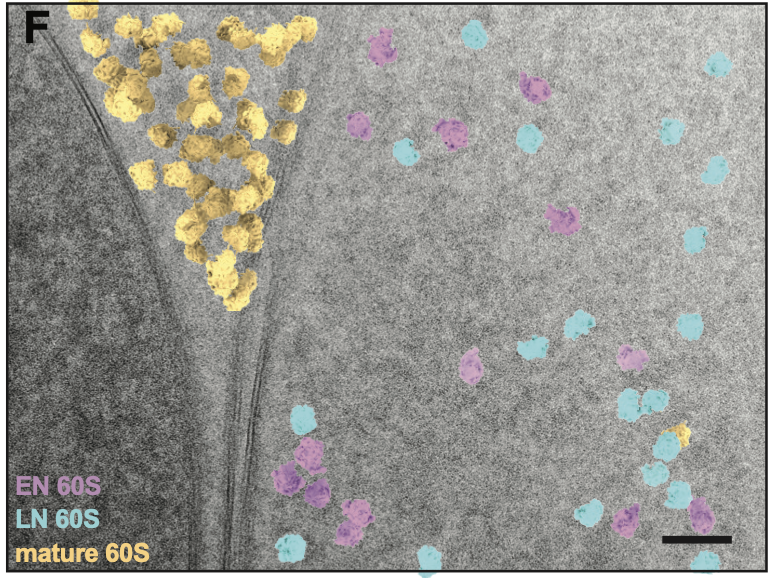
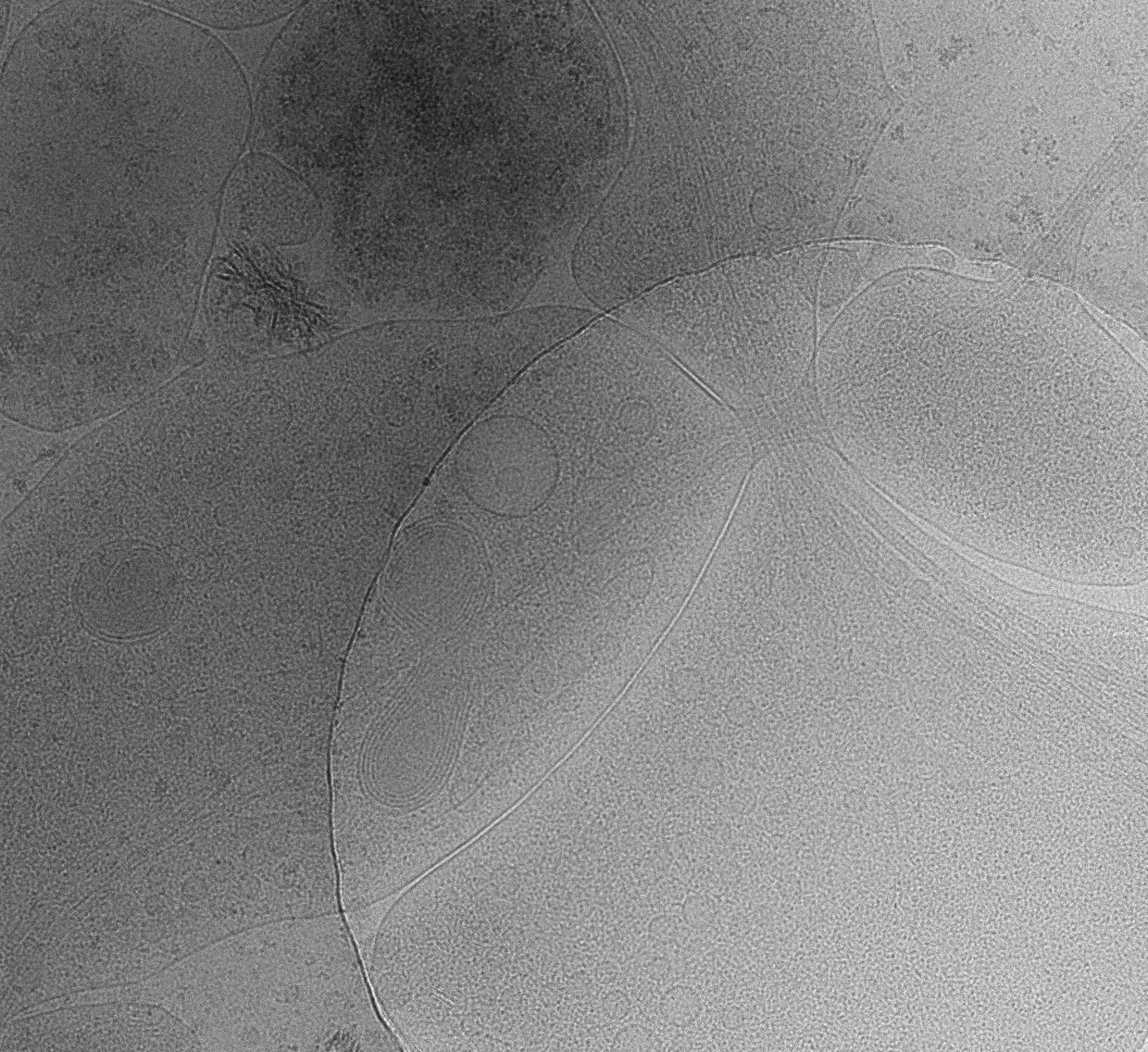
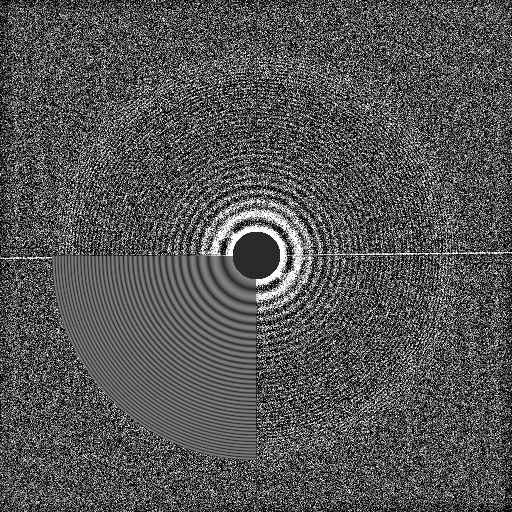
Localized and temporally controlled translation is central to neurobiology. By building mechanistic models of translational control, we aim to clarify how protein synthesis is regulated in health and disease.